
Digital Azul has strengthened its remote production infrastructure with the integration of the NOMAD IP Wireless Intercom system from RTS Intercom Systems.
The agreement was formalized at Integrated Systems Europe 2026, through Pantalha, marking an important step in the way Digital Azul organizes its communications in distributed and multi-location environments.
Remote Production as Architecture, Not an Exception
Digital Azul produces live events for television, cinema, advertising, sports and other formats, connecting multiple locations and mobile teams to its Master Control Room (MCR) in Lisbon. For this reason, the company specializes in remote productions, ensuring full control and reliability even without being physically on-site, while maintaining the coordination and quality of a traditional Outside Broadcast (OB) workflow.
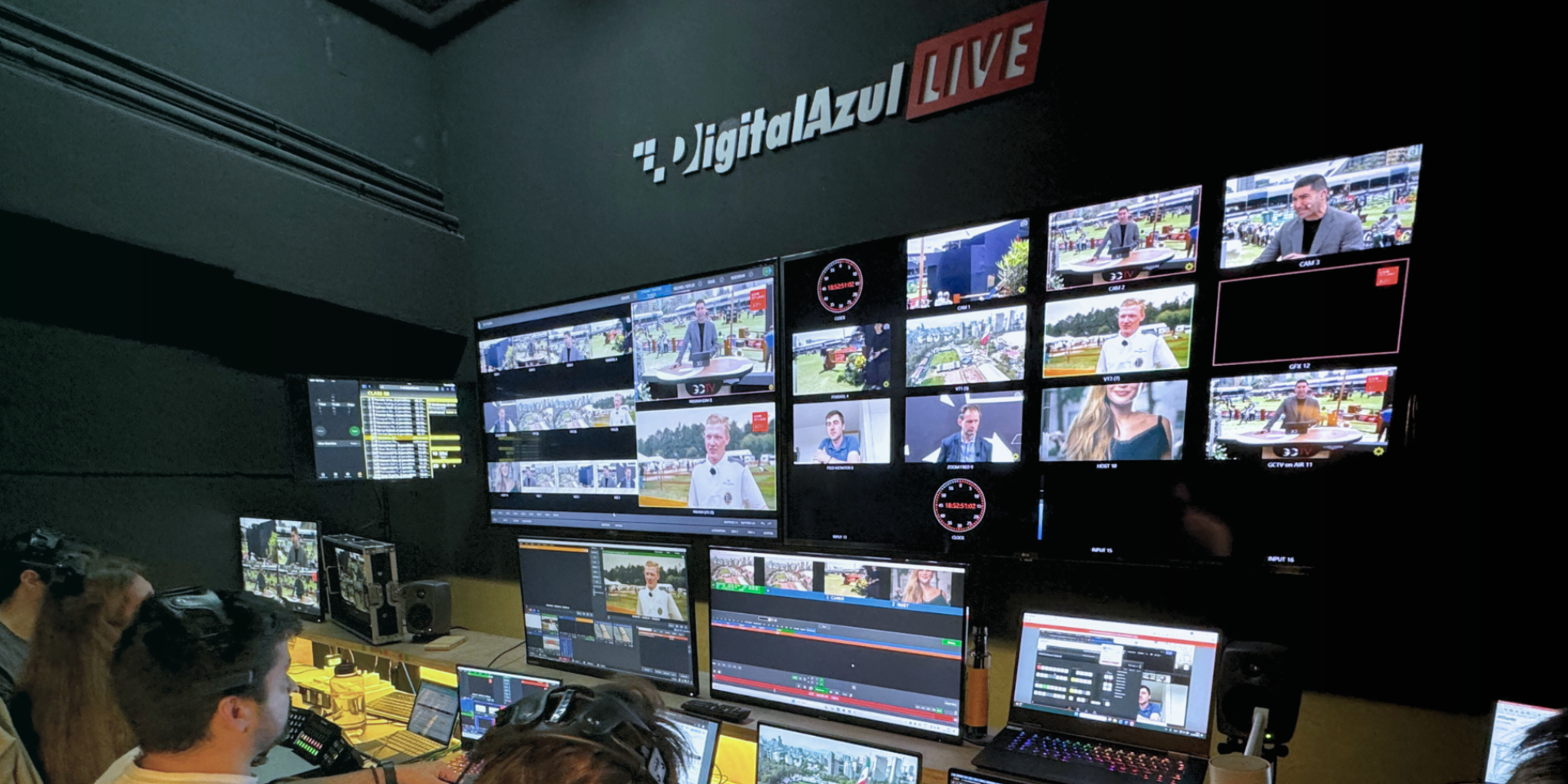
In this context, Digital Azul’s remote production model involves several requirements, including the simultaneous transport of video, audio, data and control signals, integrating mobile teams in real time and operating reliably in dense urban environments or outdoor events. To achieve this, access to public networks and bonded IP workflows is required, ensuring broadcast-grade redundancy and resilience.
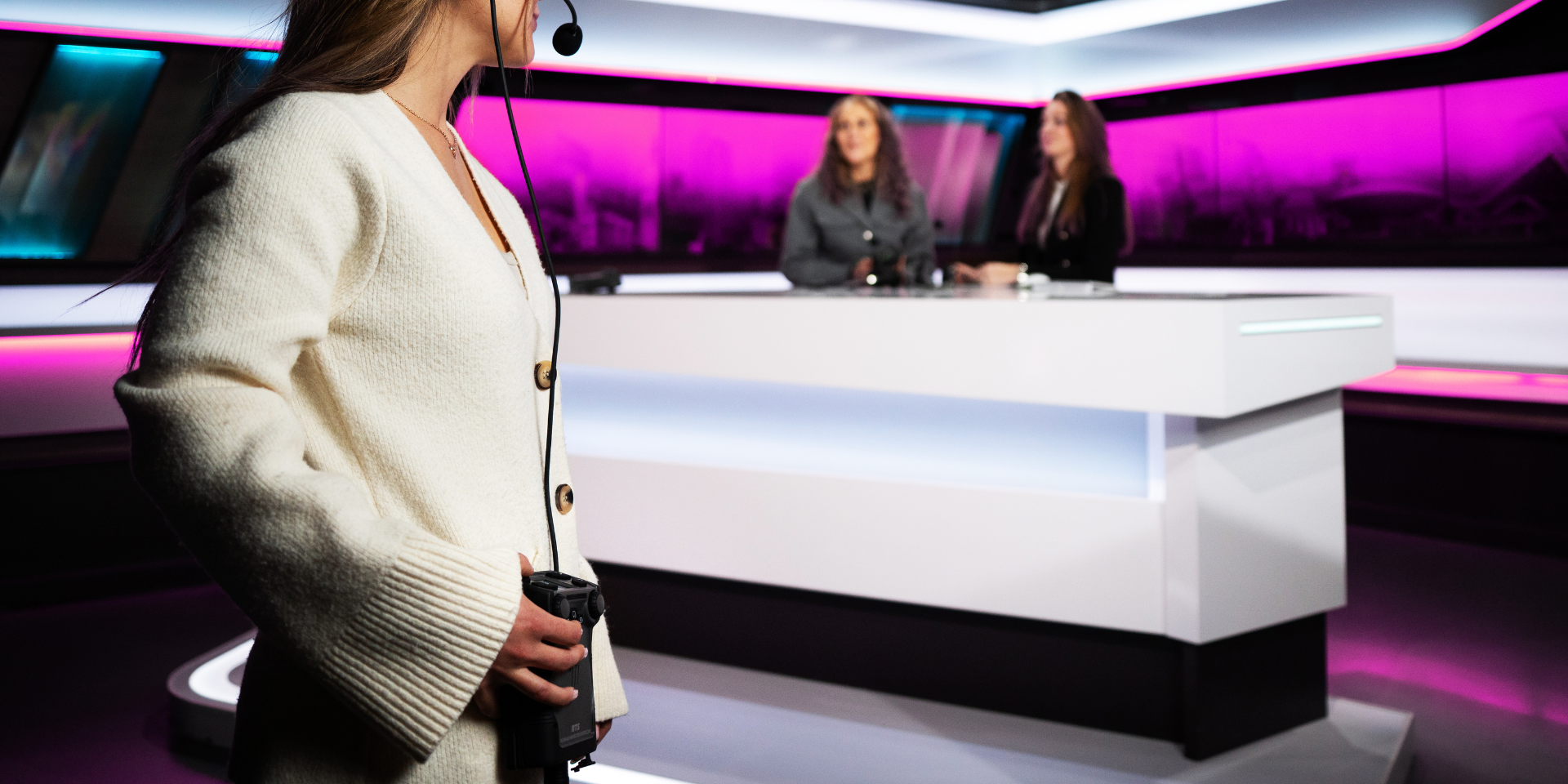
Within this framework, the NOMAD IP Wireless Intercom becomes essential. Fully IP-based, the system transports high-quality audio, supports up to 16 channels integrated into the existing RTS matrix, and maintains continuous communication between the MCR and mobile teams. Its rugged hardware and flexible antenna configuration ensure stability even in challenging locations, making the intercom a central component of remote production.
NOMAD: Technological Evolution Compared to ROAMEO
While the previous ROAMEO system—composed of the AP-1800 access point and the TR-1800 beltpack—established a solid standard for professional digital RF intercom, operating essentially as a local extension of the infrastructure based on RF, NOMAD was designed as an “IP-first” system, built for full integration into modern workflows.
NOMAD is a digital wireless intercom system composed of beltsacks (TR-1000) and access points (AP-1000) that communicate through DECT (Digital Enhanced Cordless Telecommunications) technology, a globally accepted and license-free standard for wireless communications. Communication between access points and the matrix is ensured through OMNEO technology, a Dante-based platform for transporting high-quality audio over IP, enabling direct integration with existing IP infrastructures.
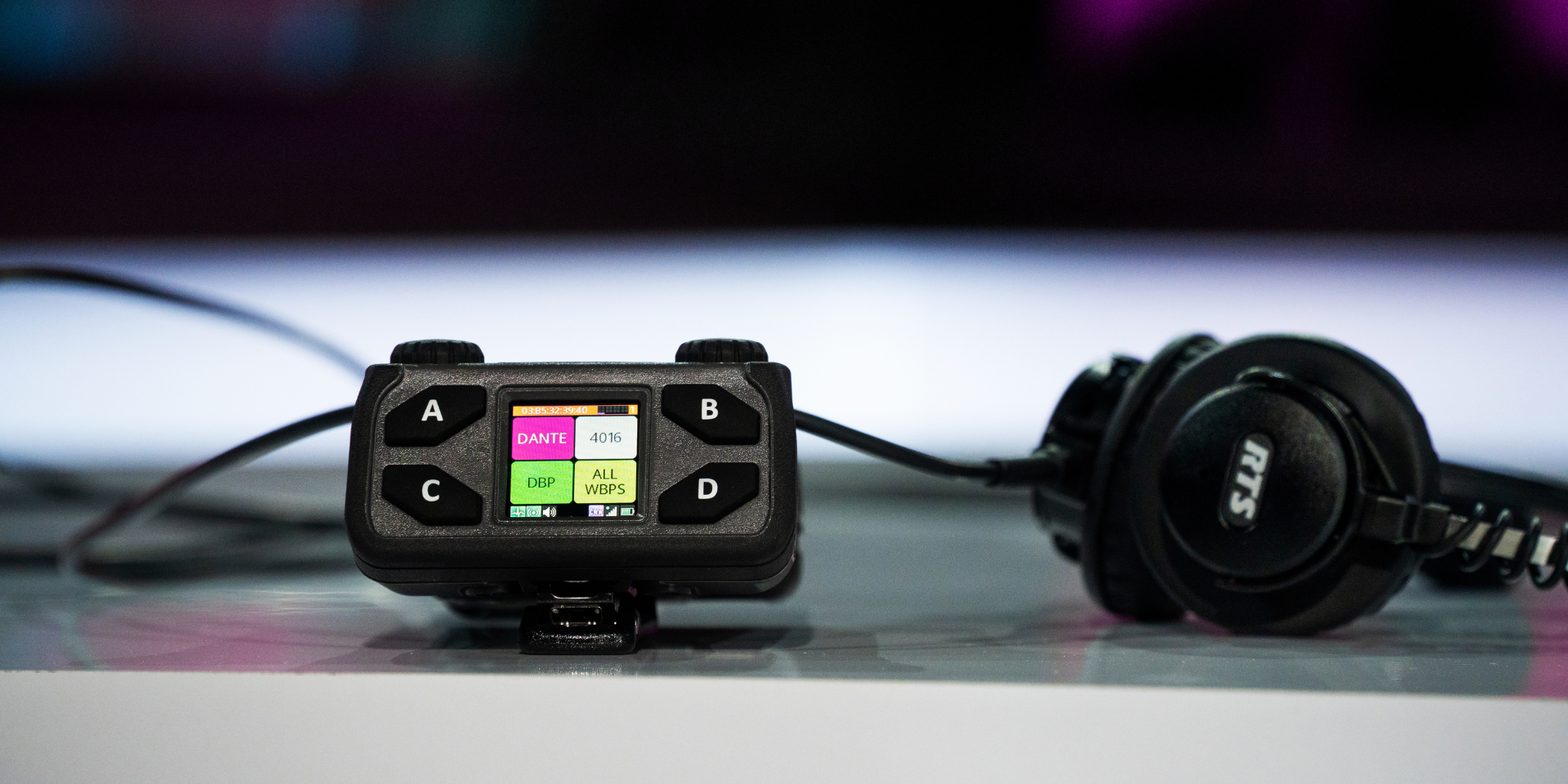
Each TR-1000 beltpack functions as a 16-channel RTS keypanel, allowing direct communication with individuals, groups or the entire team. It offers the same flexibility as a fixed panel in the MCR, but while on the move. With robust DECT technology and seamless roaming, the system guarantees stable and uninterrupted connectivity even in environments with complex RF conditions.
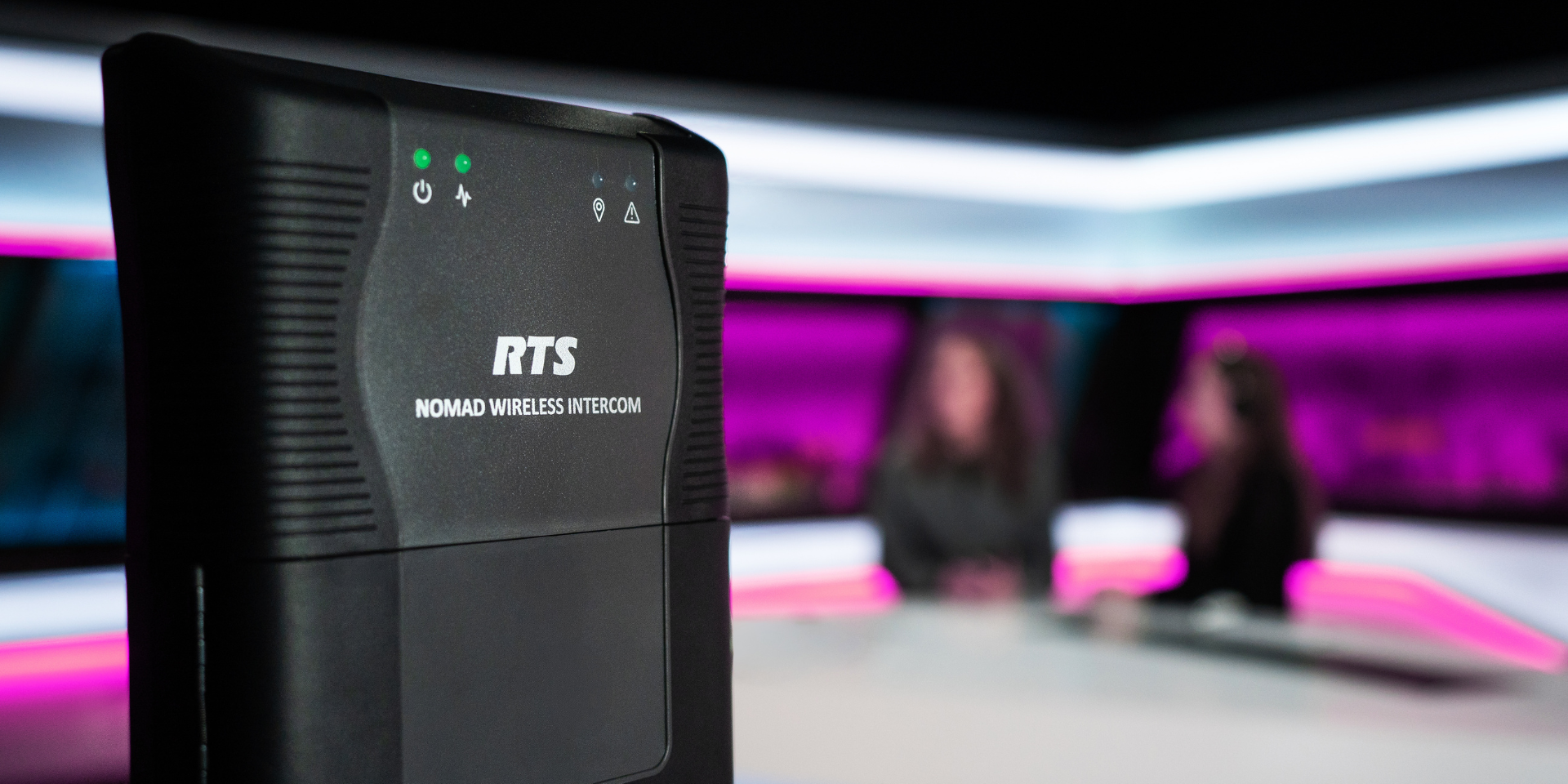
The AP-1000 access points convert the DECT signal into IP technology compatible with OMNEO (Dante) or ST2110-30, ensuring compatibility with hybrid or fully IP workflows. Full support for SMPTE ST 2022-7 guarantees network redundancy with independent streams, ensuring glitch-free audio. Each AP-1000 supports up to 10 beltpacks and can be mounted on walls, railings, poles or microphone stands (optional accessories), providing significant installation flexibility. Coverage area varies depending on environment and positioning, reaching approximately 200 meters indoors and 300 to 500 meters outdoors.
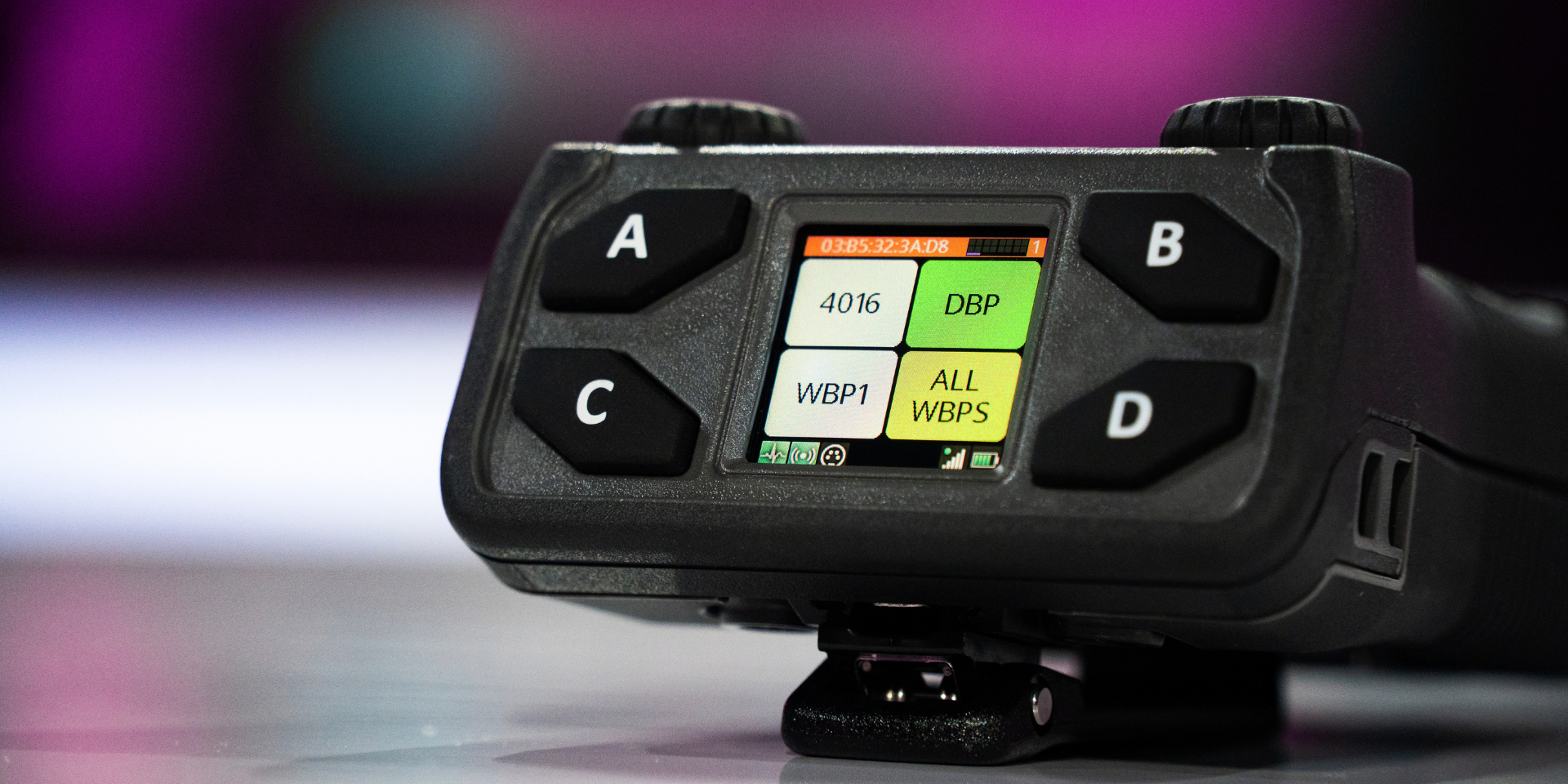
The TR-1000 beltpack features an icon-based color display, 4 ergonomic talk/listen buttons with tactile feedback, an integrated loudspeaker with Acoustic Echo Cancellation (AEC), compatibility with multiple headset types, AUX connectivity, and Bluetooth 5.3. The device is IP65 rated, resistant to dust and water, ensuring reliable operation in demanding environments—from outdoor events to complex urban scenarios. It also includes additional features such as charging while in use and Find My Device, which enhance team safety and operational efficiency.
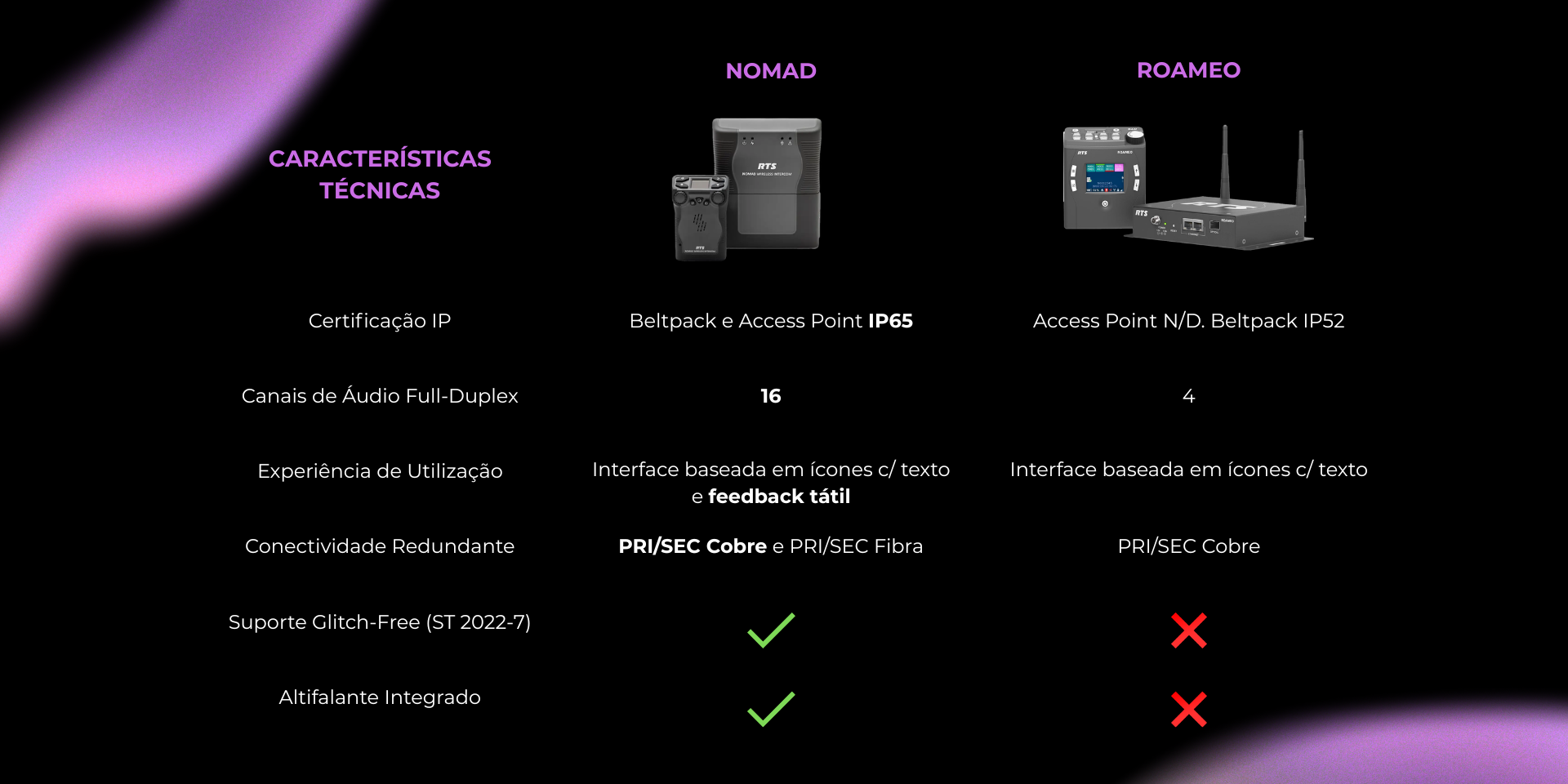
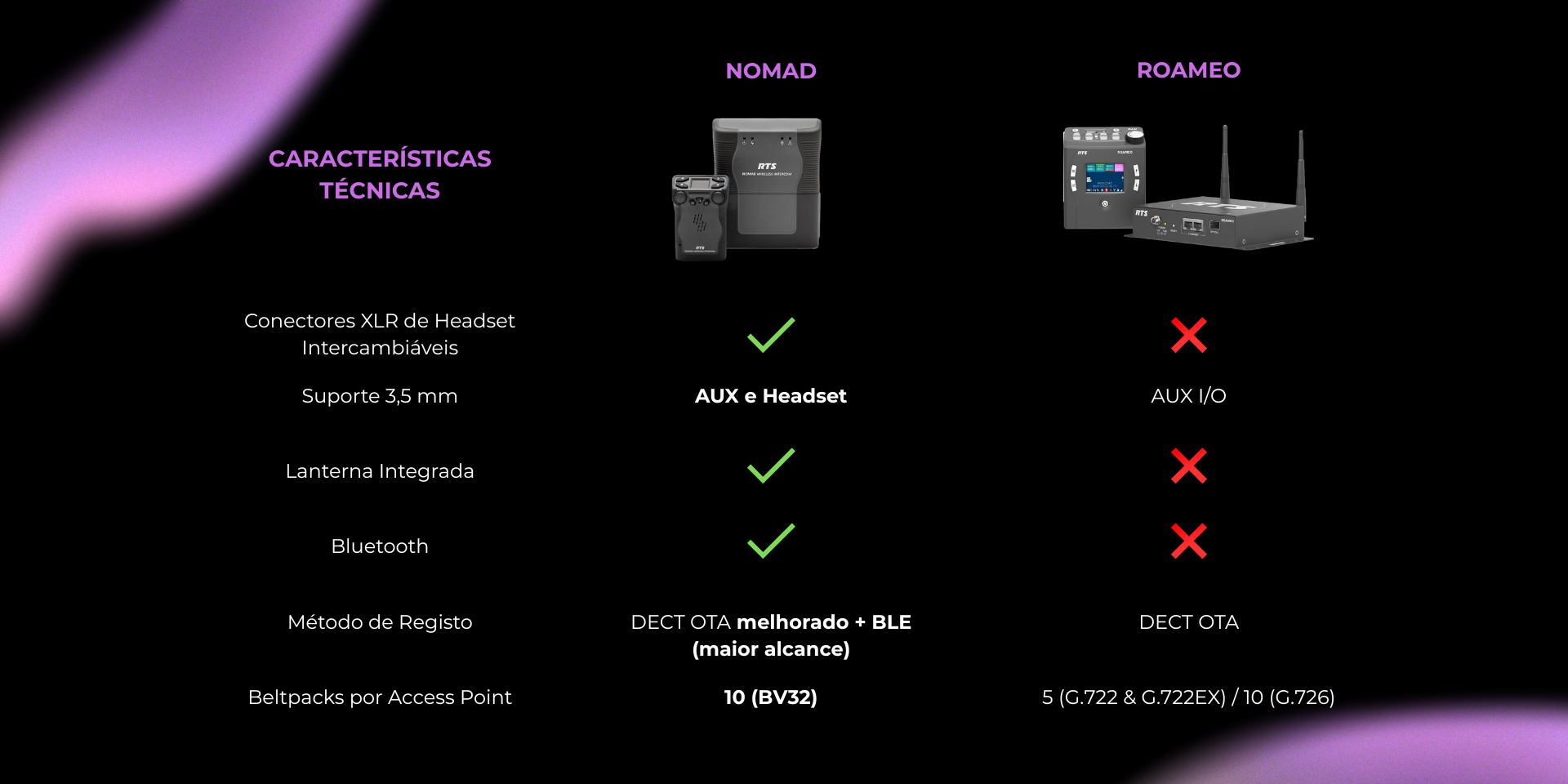
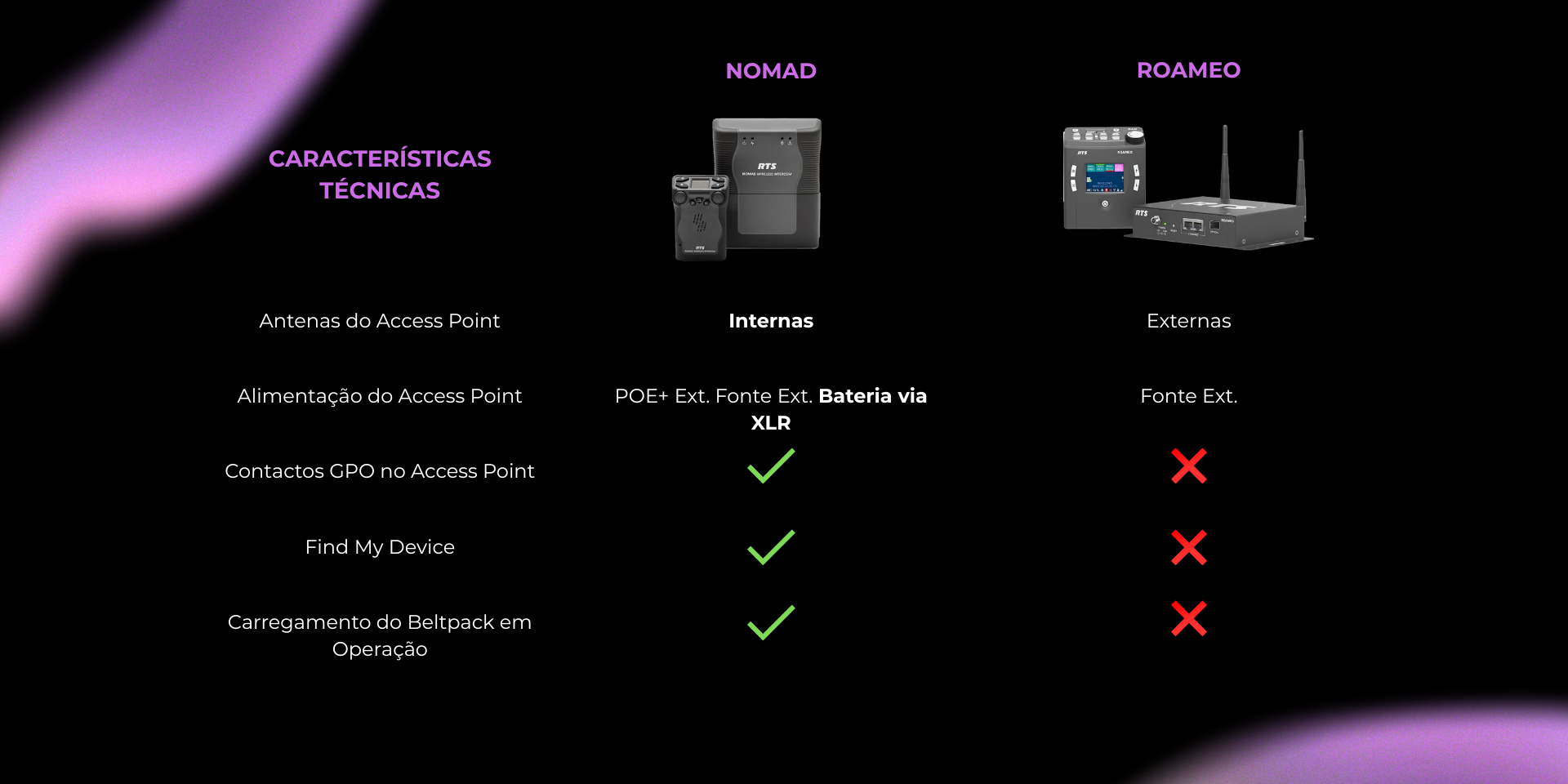
Compared to ROAMEO, NOMAD offers more audio and control channels, full integration with digital matrices, support for critical IP workflows, IP65 robustness, and advanced operational features, making it a central component of Digital Azul’s remote infrastructure, where continuous communication and precise coordination are essential for multi-location productions.
Conclusion
Digital Azul’s adoption of NOMAD represents more than just a technological upgrade; it also marks the consolidation of an intercom infrastructure fully aligned with resilient IP architectures and distributed workflows. As live production becomes increasingly mobile, multi-location and dependent on public networks, solutions like NOMAD move from being a premium option to becoming a strategic decision.
Digital Azul’s first deployment of the NOMAD system will take place during the coverage of the Longines Global Champions Tour, recognized as one of the most technically and logistically demanding environments in international sports production.
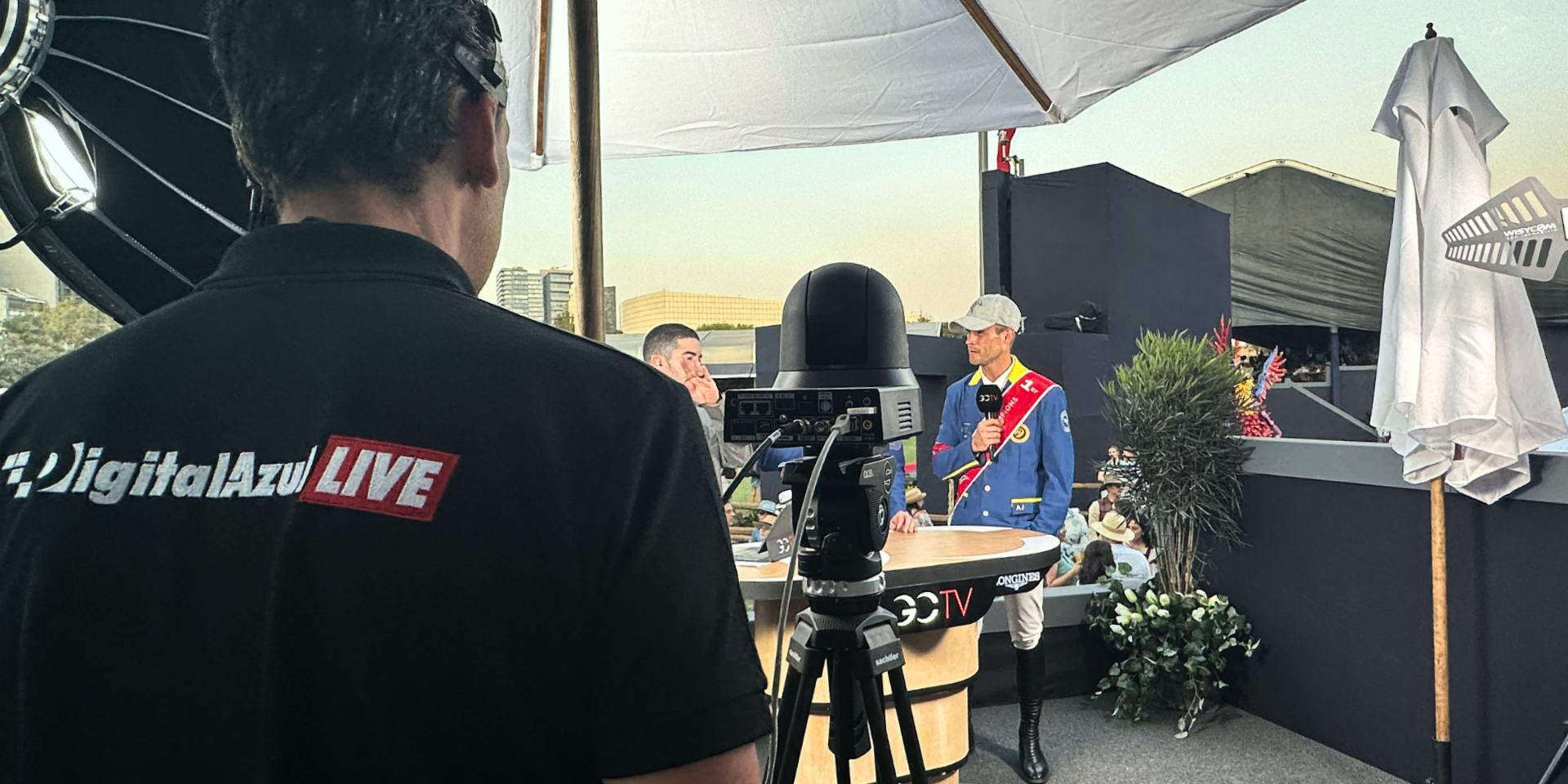
Pantalha did not simply supply the system to Digital Azul. Its involvement included technical consultancy, IP integration planning and alignment with the existing RTS infrastructure, ensuring that NOMAD was coherently integrated into the remote production workflow.
We not only helped Digital Azul, but we are also prepared to support any project that requires high-reliability intercom and remote production solutions, adapting equipment and architectures to each client’s specific needs. Contact us by email at geral@pantalha.pt or by phone at +351 21 754 36 40.
March, 2026